|
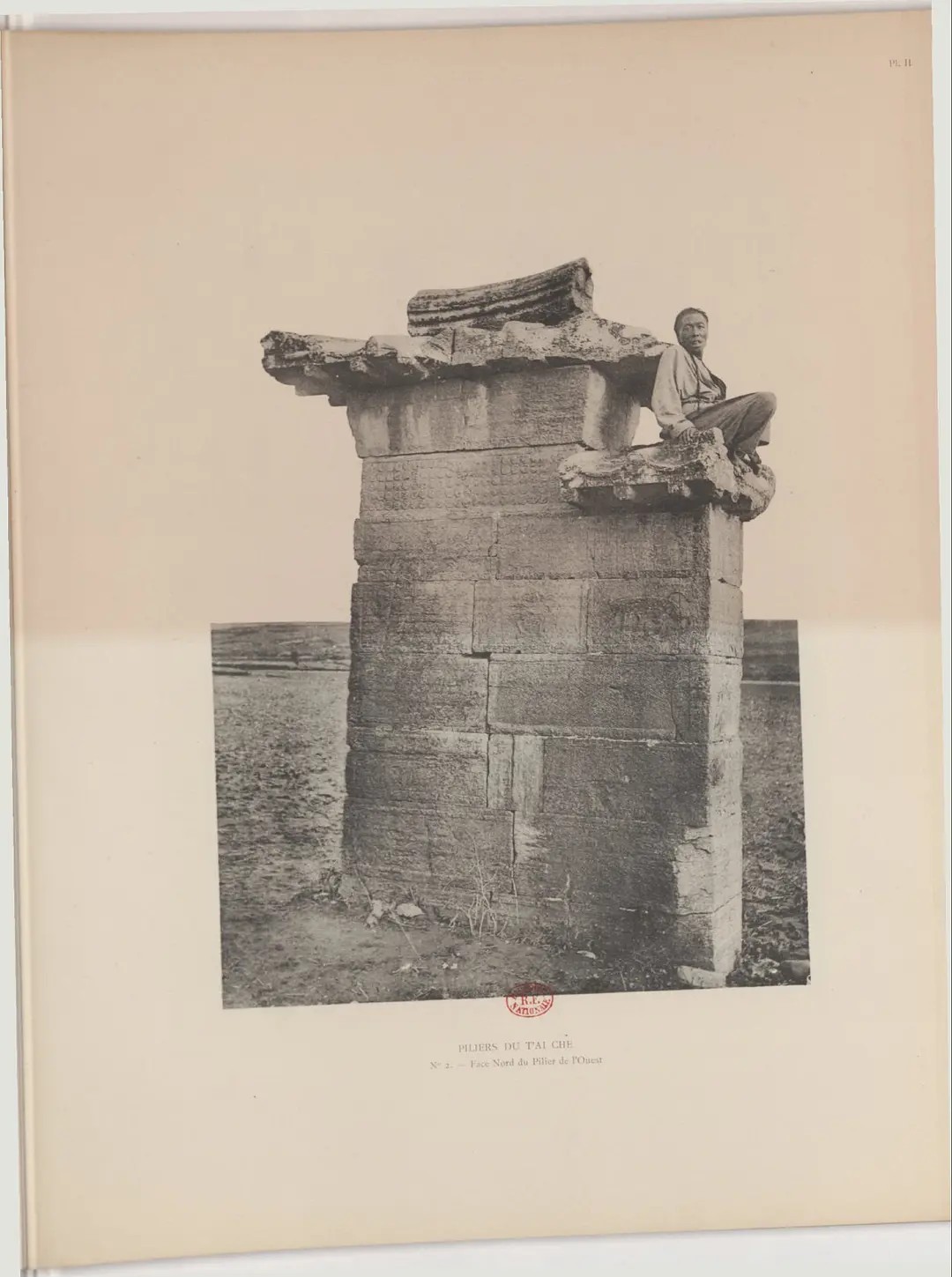
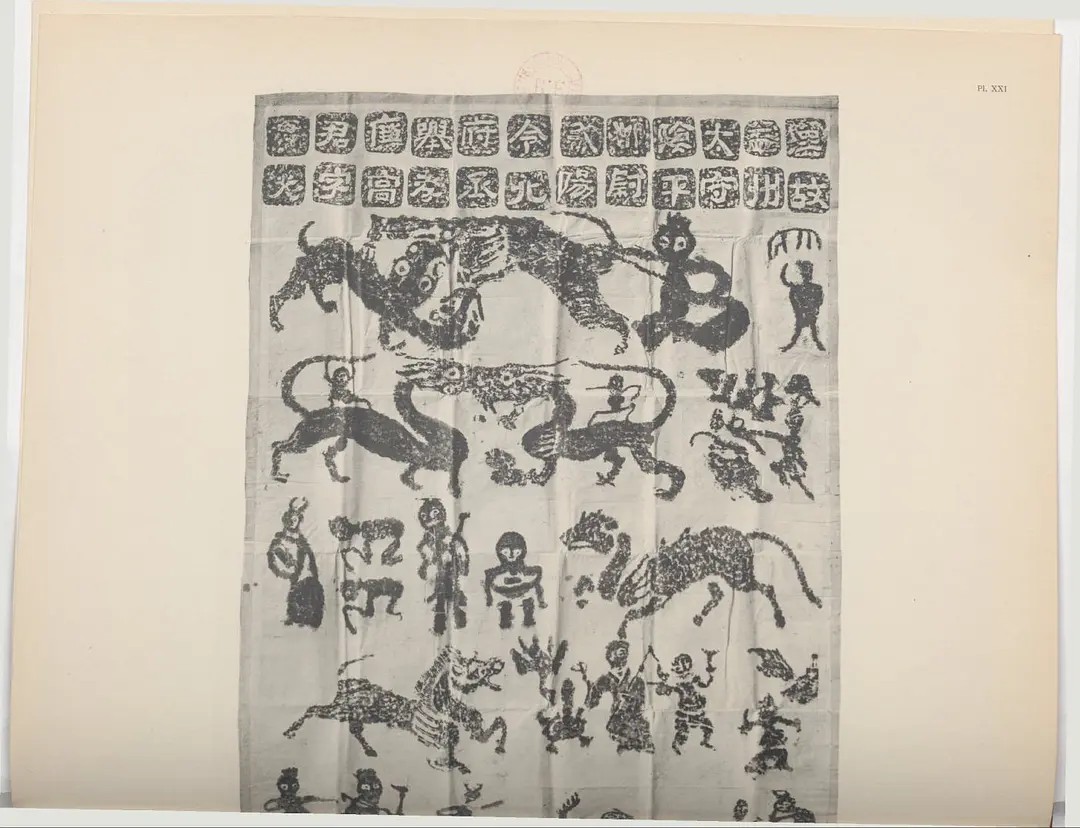
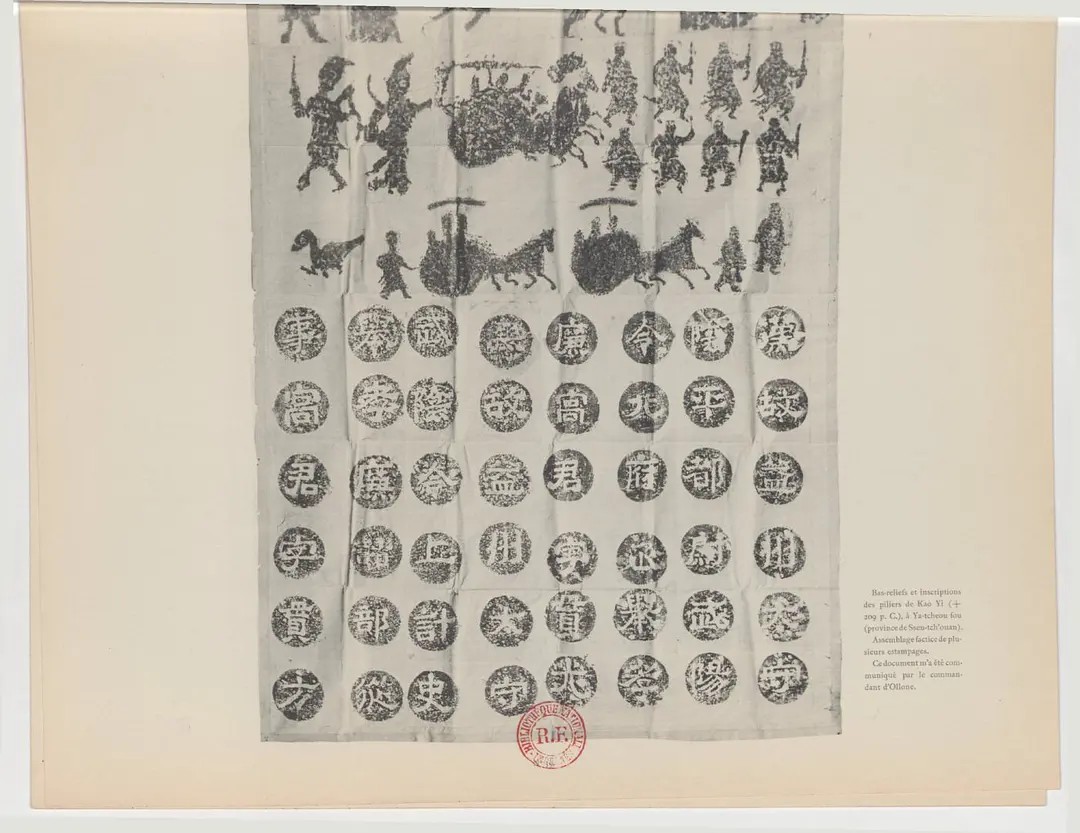
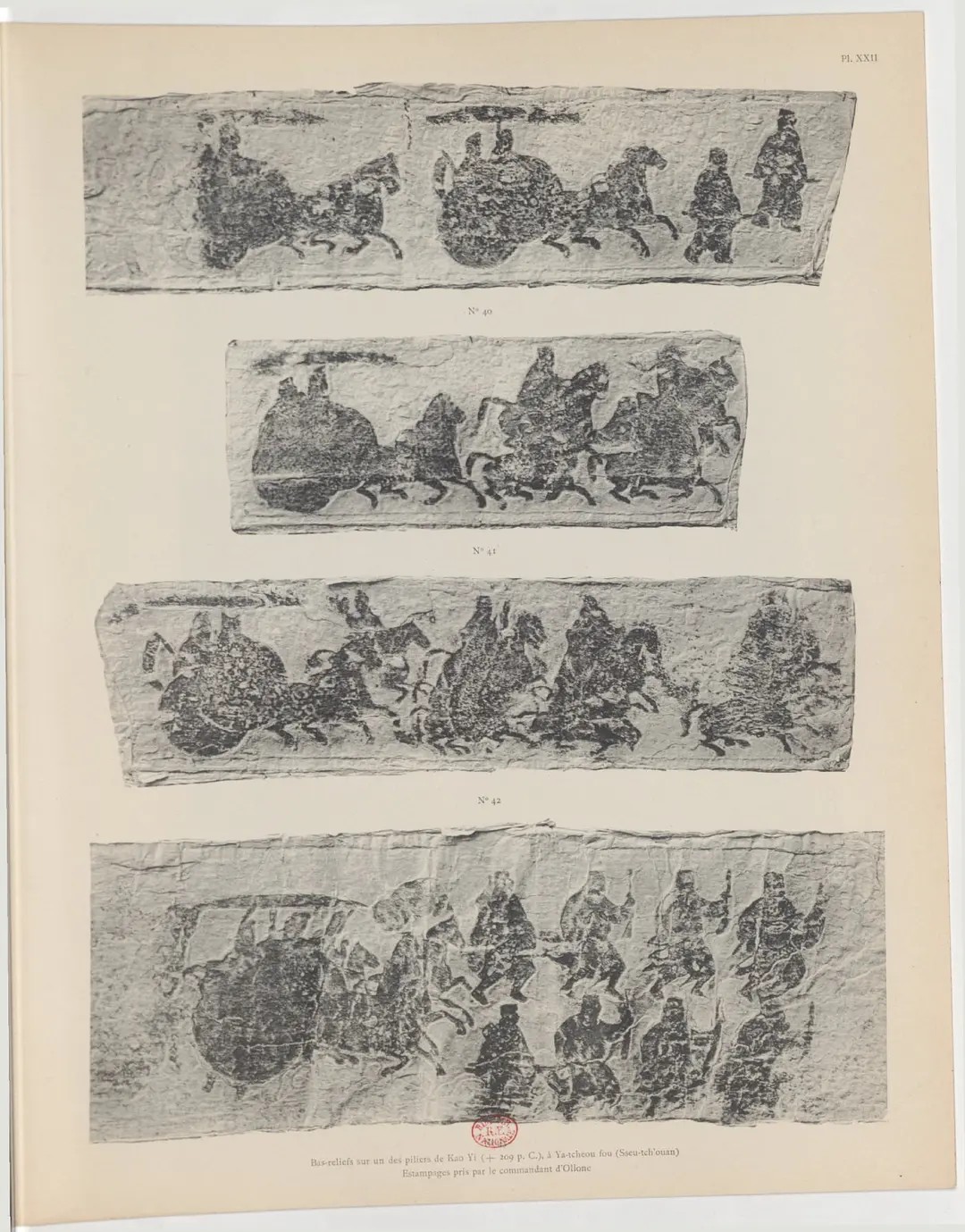
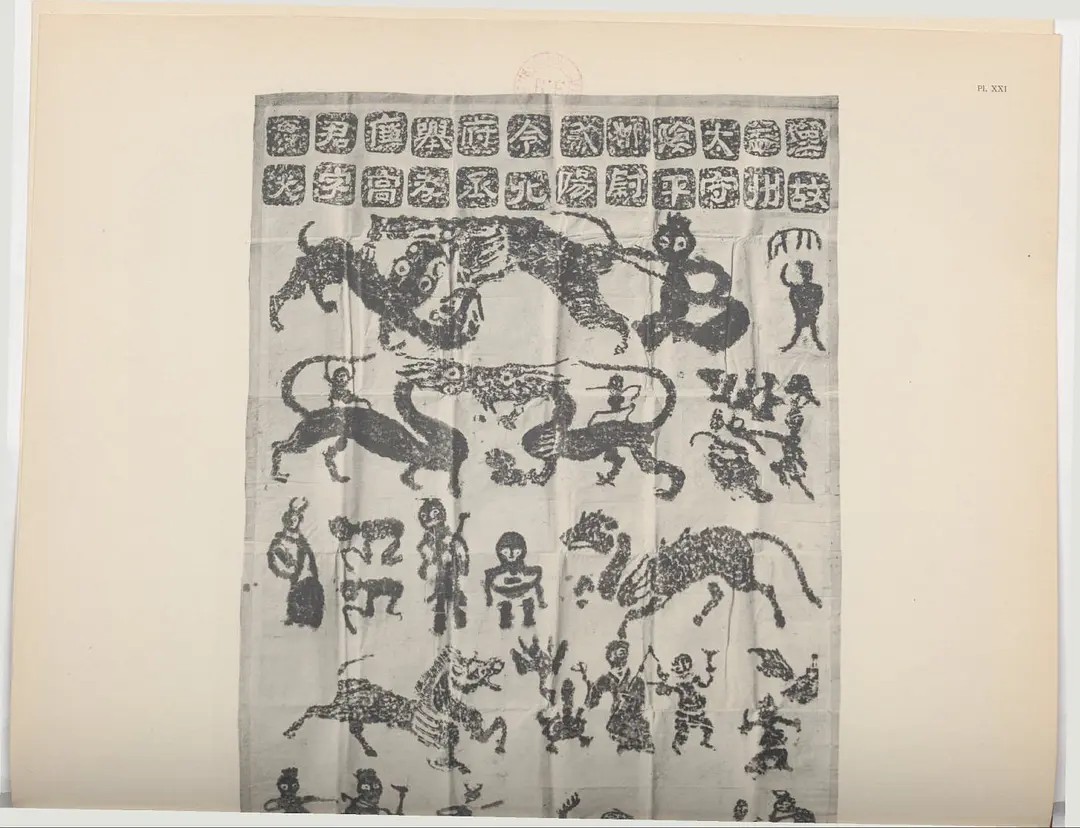
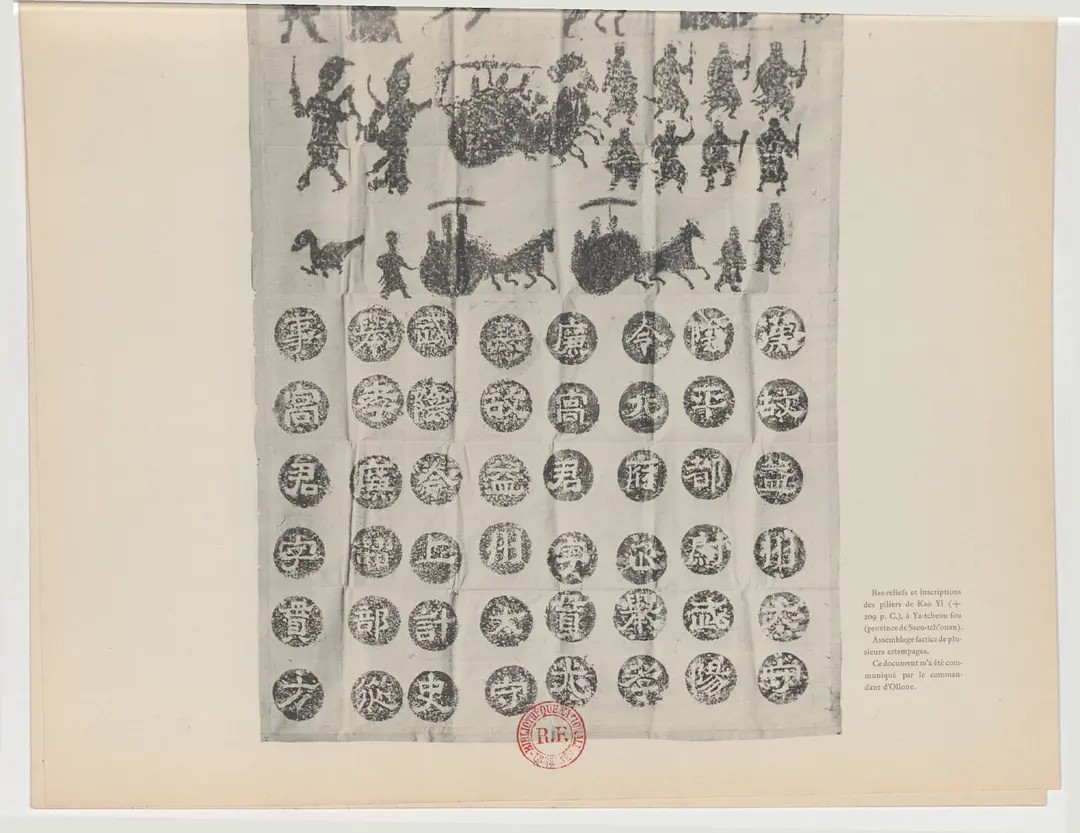
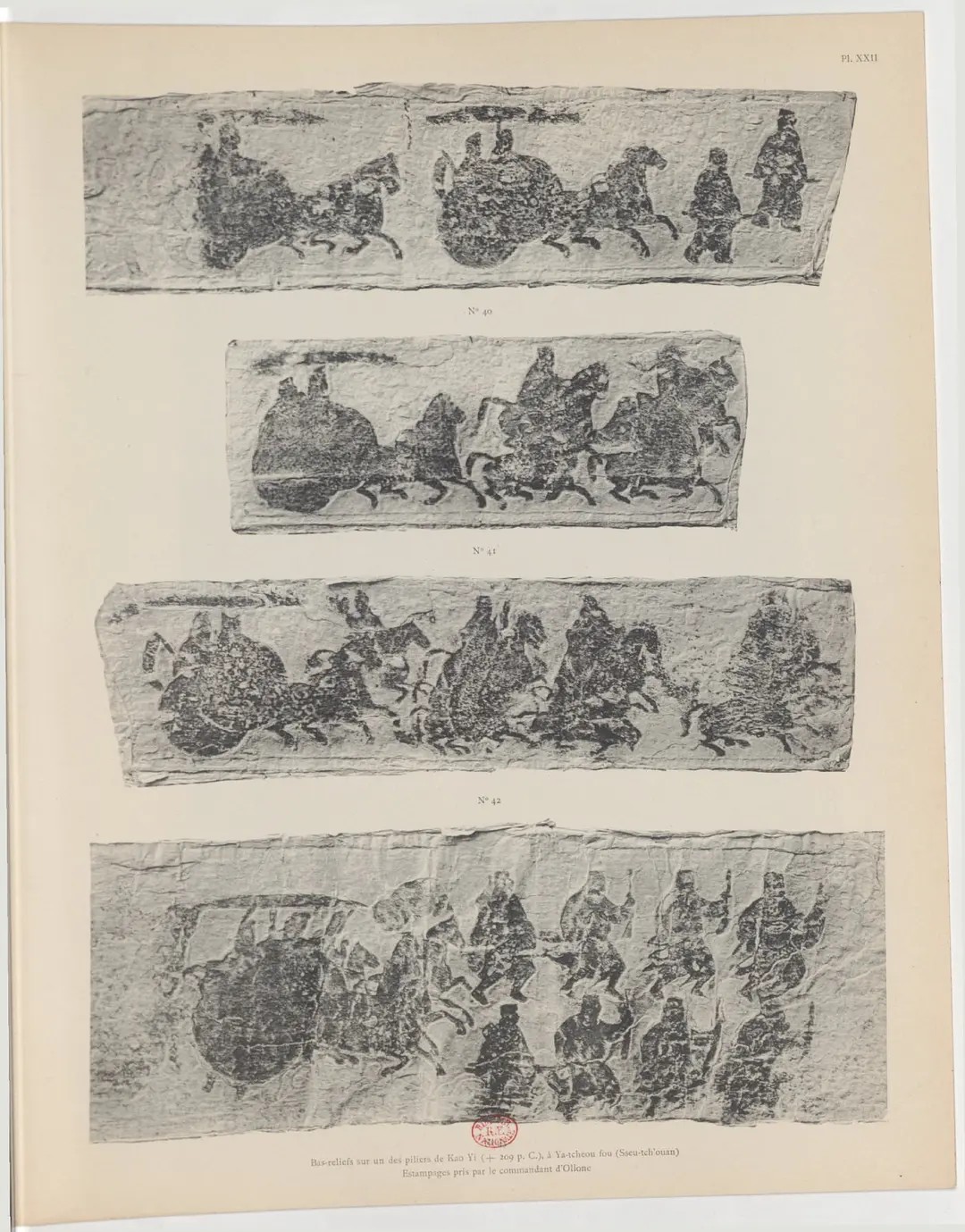
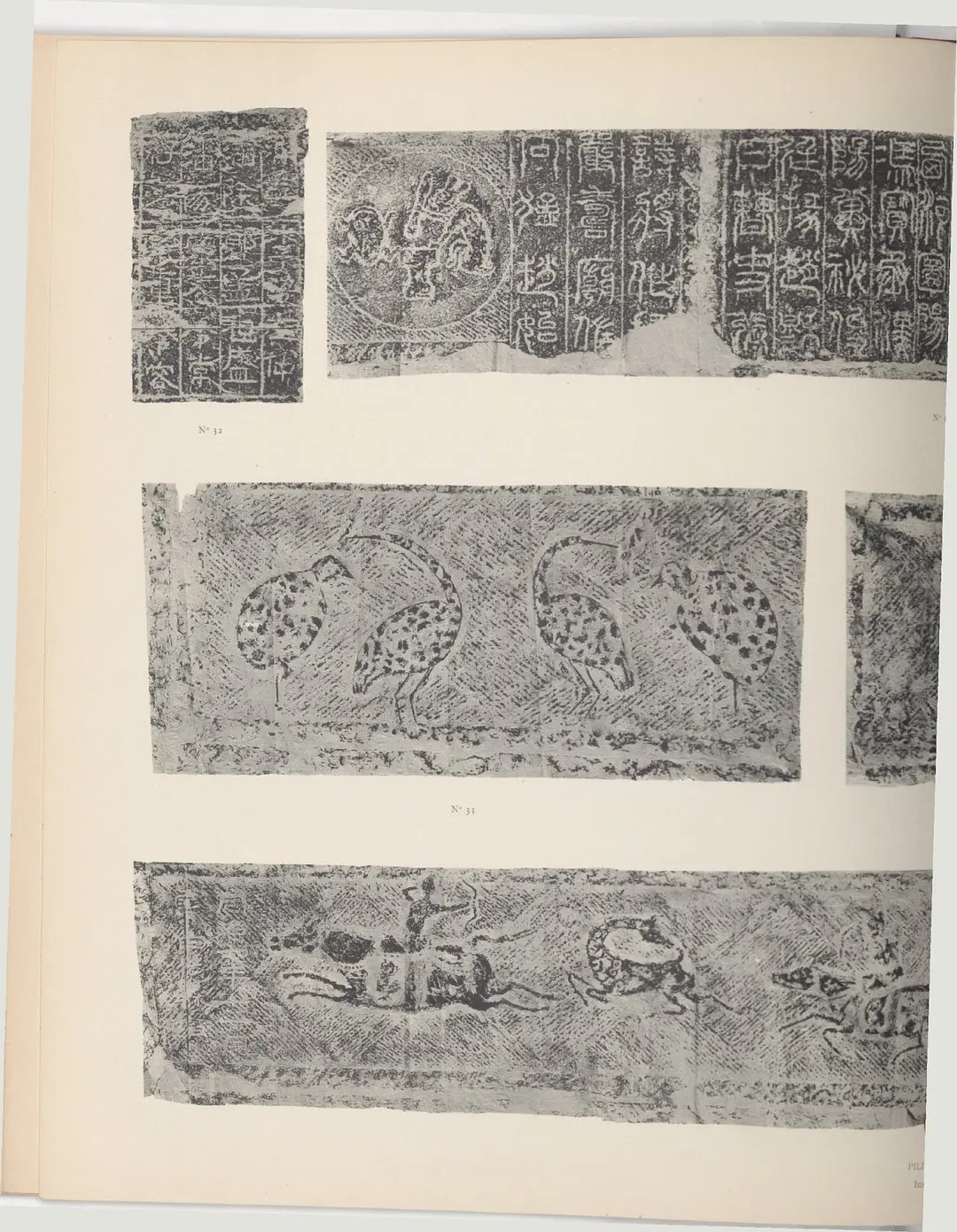
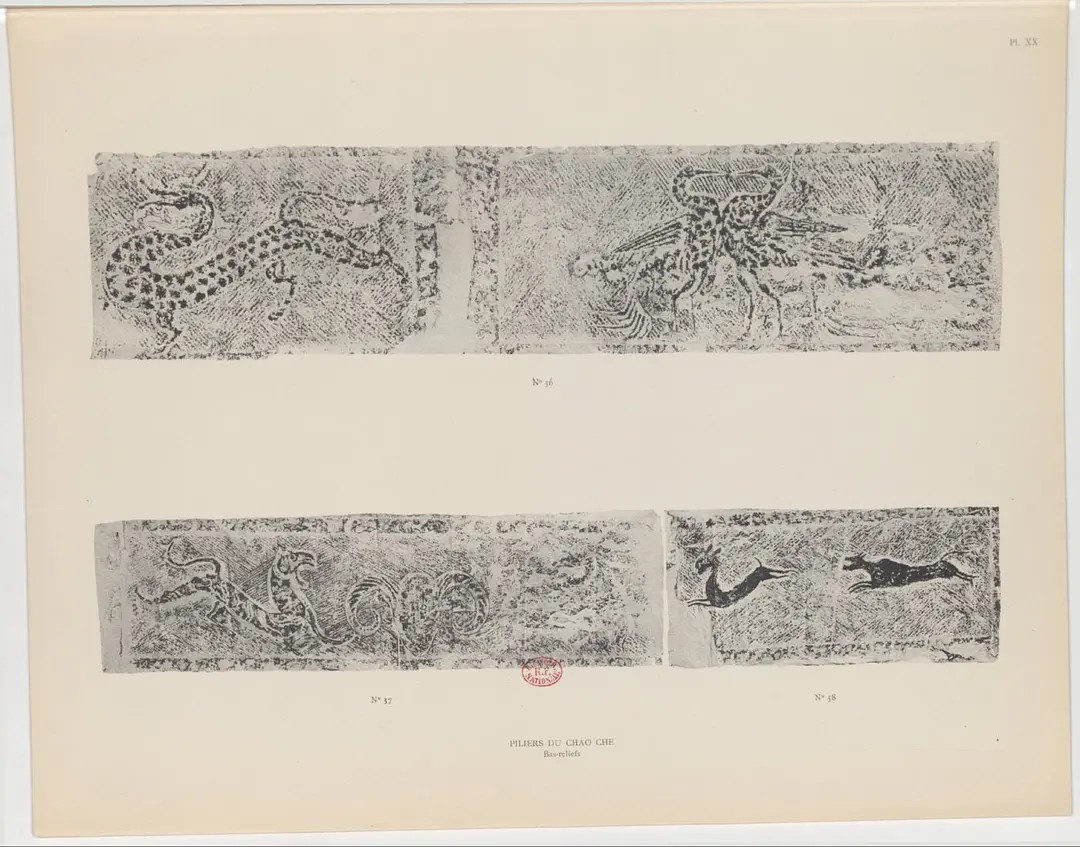
This is a scholarly French work (accompanied by plates) focused on the Eastern Han Dynasty stone reliefs in Shandong (referred to as "Chan-tong" in the text), mainly covering two major groups: the Ou family tomb reliefs and the Xiaotangshan (Hiao-t'ang-chan) reliefs. Here’s a friendly breakdown of its core content:
1. Discovery & Background
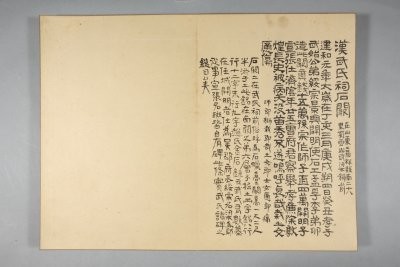
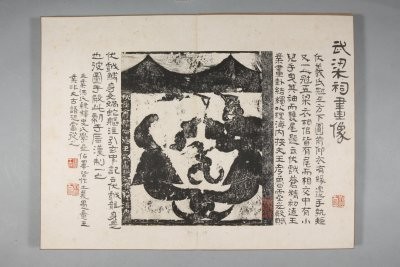
These reliefs were rediscovered in 1786 by Huang Yi (Hoang I): he unearthed the debris of Ou family tombs (originally mistakenly called "Ou Liang’s tomb," but later confirmed to be related to Ou Pan, an Eastern Han military commander) near Jining, Shandong.
Key inscriptions (e.g., Ou Pan’s stele) date the reliefs to the 2nd century CE (Eastern Han), specifically 147 CE (the 1st year of the Jianhe era).
2. Main Content of the Reliefs
The reliefs are divided into several groups, with core themes:
Ou family tomb reliefs:
Scenes of ancient sages (Fuxi, Nuwa, Yellow Emperor, Confucius, etc.).
Stories of filial piety (e.g., Zengzi, Min Ziqian) and righteous women (e.g., the virtuous widow of Liang).
Historical events (e.g., famous assassinations in the Warring States period, such as Jing Ke attempting to kill the Qin king).
Auspicious objects (e.g., unicorns, white tigers, divine plants) that symbolized good fortune in Han culture.
Xiaotangshan reliefs:
More mythological/celestial scenes (e.g., thunder gods, celestial beings, the Jade Rabbit and Toad in the Moon, the Three-Legged Crow in the Sun).
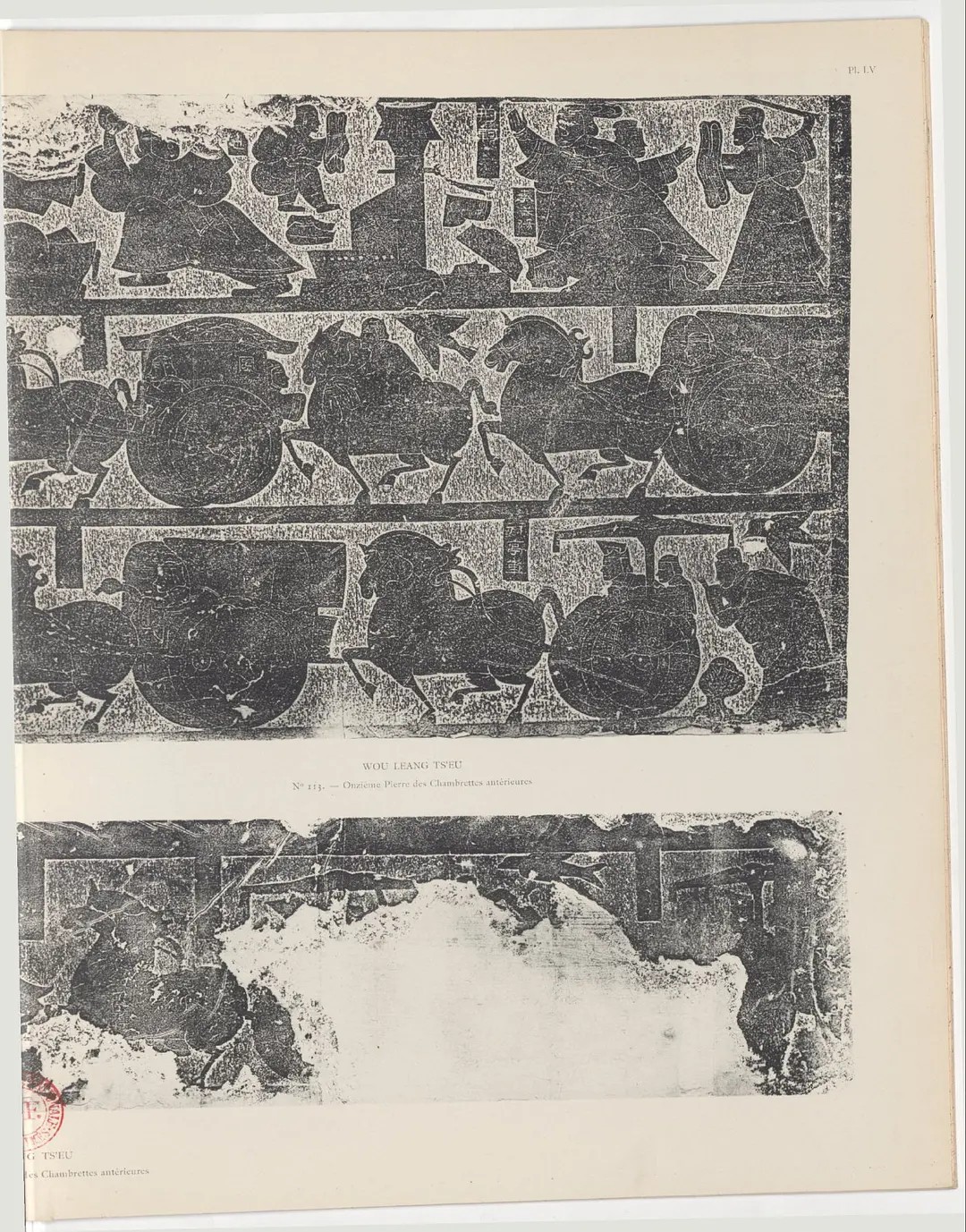
Rituals, processions, and scenes reflecting Han-era beliefs about immortality and the afterlife.
3. Significance
These reliefs are critical materials for studying Eastern Han art, social values (Confucian ethics like filial piety), and religious beliefs (mix of Confucianism, Taoism, and folk myths). The text also clarifies the early misnaming of the tombs and organizes the reliefs by their archaeological context.
|



 本贴仅代表作者观点,与麻辣社区立场无关。



 客户端下载
客户端下载







 发表于 2026-1-20 09:37

 楼主
楼主